
There are few culinary delights as universally beloved and comforting as a generous serving of perfectly creamy mashed potatoes. This humble side dish, often relegated to a supporting role, holds the power to transform any meal into a special occasion. Forget the bland, lumpy, or overly stiff versions you might have encountered; we’re here to guide you toward a revelation – a bowl of mashed potatoes so smooth, so rich, and so utterly irresistible, it will steal the spotlight every single time. It’s more than just boiled potatoes and dairy; it’s an art form, a symphony of textures and subtle flavors that, when executed correctly, achieves culinary nirvana. Imagine a fork gliding effortlessly through a cloud of velvety potato, each bite melting on your tongue, leaving behind a subtle richness that beckons for another. This isn’t a dream; it’s the result of understanding the right potato, the precise cooking method, and the perfect blend of ingredients. Whether you’re preparing a weeknight family dinner or hosting a grand holiday feast, mastering this classic will elevate your kitchen repertoire significantly. Join us as we dive deep into the science and artistry behind creating mashed potatoes that are not just good, but truly unforgettable.
The Story Behind
Mashed potatoes, in various forms, have been a staple in European cuisine for centuries, but their popularization as a distinct dish can largely be attributed to the French. Antoine-Augustin Parmentier, an 18th-century French pharmacist and nutritionist, was a tireless advocate for the potato’s acceptance in France. Initially viewed with suspicion and even considered poisonous, Parmentier famously hosted dinners where potato-based dishes, including a nascent form of mashed potatoes, were served to prominent figures like Benjamin Franklin and King Louis XVI. His efforts, coupled with the potato’s incredible versatility and ability to grow in diverse climates, gradually cemented its place in European diets. Over time, the concept of mashing boiled potatoes and enriching them with butter, milk, or cream evolved, becoming the comforting classic we know and love today, particularly flourishing in Western culinary traditions as a quintessential side for roasts and gravies, especially during holiday seasons.
Why This Recipe Works
- Using high-starch potatoes (like Russets or Yukon Golds) ensures a fluffy, light texture that absorbs dairy beautifully.
- Properly boiling potatoes until very tender prevents lumps and ensures a smooth consistency.
- Drying the potatoes after draining evaporates excess water, preventing a watery or gluey mash.
- Adding warm dairy products (milk, cream, butter) ensures they integrate smoothly and keeps the mashed potatoes hot.
- Mashing potatoes while they are hot is crucial to avoid a gummy texture caused by starch breakdown in cooling potatoes.
Step-by-Step Instructions
1. Peel and Cube Your Potatoes
Begin by thoroughly washing your potatoes. Peel them completely, then cut them into roughly 1.5-inch (3-4 cm) uniform cubes. This ensures even cooking and helps prevent some pieces from being undercooked while others are overcooked. Place the cubed potatoes in a large pot.
2. Boil Until Fork-Tender
Cover the cubed potatoes with cold water by about an inch. Add a generous tablespoon of salt to the water. Bring the water to a rolling boil over high heat, then reduce heat to medium and simmer until the potatoes are incredibly tender – a fork should easily slide through them with no resistance. This usually takes 15-20 minutes, depending on potato size and type.
3. Drain and Dry the Potatoes
Once tender, carefully drain the potatoes in a colander. Return the drained potatoes to the empty hot pot. Place the pot back on the stove over very low heat for 1-2 minutes, shaking occasionally, to allow any excess moisture to evaporate. This crucial step prevents watery mashed potatoes and concentrates their flavor.
4. Warm the Dairy & Fat
While the potatoes are drying, combine the butter, milk, and heavy cream in a small saucepan. Heat gently over low heat until the butter is fully melted and the mixture is warm, but not boiling. This ensures the dairy integrates smoothly into the potatoes without cooling them down.
5. Mash and Incorporate Richness
Immediately remove the pot of dry potatoes from the heat. Using a potato ricer, food mill, or a sturdy potato masher, mash the potatoes until smooth. Gradually add the warm butter and dairy mixture to the mashed potatoes, stirring gently until just combined. Season with salt and freshly ground black pepper to taste.
6. Whip to Perfection and Serve
For ultimate creaminess, you can use a sturdy spatula to gently fold and whip the mashed potatoes for another minute or two, being careful not to overmix. Taste and adjust seasoning as needed. Garnish with fresh chives or parsley, and serve immediately while hot, alongside your favorite main dishes.
Chef Tips
- Choose the Right Potato: For truly fluffy and creamy mashed potatoes, opt for high-starch potatoes like Russets (Idaho) or Yukon Golds. Russets produce a light, fluffy texture, while Yukon Golds offer a naturally buttery flavor and creamy consistency. Waxy potatoes (like red or new potatoes) contain less starch and tend to be gluey when mashed.
- Don’t Overwork Them: Over-mashing or using a food processor can break down the potato’s starches too much, resulting in a gummy, pasty texture. Use a potato ricer or a hand masher for best results, and stop once just smooth.
- Warm Your Dairy: Adding cold milk or cream to hot potatoes will cool them down and can make them more difficult to incorporate smoothly. Always gently warm your butter and dairy mixture before adding it.
- Season Generously and Taste: Potatoes are bland on their own and require significant seasoning. Don’t be shy with salt! Add a good amount while boiling, and then adjust again at the end. A pinch of nutmeg can also enhance the flavor without being overpowering.
- Consider Garlic or Herb Infusion: For an extra layer of flavor, gently infuse your milk and cream with crushed garlic cloves or fresh herb sprigs (like thyme or rosemary) while warming. Strain them out before adding to the potatoes.
Frequently Asked Questions
Why are my mashed potatoes gummy?
Gummy mashed potatoes are usually a result of overworking the starches. This happens if you mash them too long, use a food processor, or mash cold potatoes. Stick to a ricer or masher and stop once they’re just smooth.
Can I make mashed potatoes ahead of time?
Yes, you can! Prepare them up to a day in advance. Store them in an airtight container in the fridge. To reheat, gently warm them over low heat on the stovetop, adding a splash more warm milk or cream to restore creaminess, stirring occasionally. You can also reheat in a slow cooker on low.
What’s the best type of potato for mashing?
High-starch potatoes like Russets (Idaho) are excellent for a fluffy texture, while medium-starch Yukon Golds offer a naturally buttery flavor and a creamy consistency. A mix of both can provide the best of both worlds.
How much salt should I add to the boiling water?
A good rule of thumb is to add 1 tablespoon of salt for every 2 pounds of potatoes. This seasons the potatoes from the inside out and enhances their natural flavor, so don’t be shy!
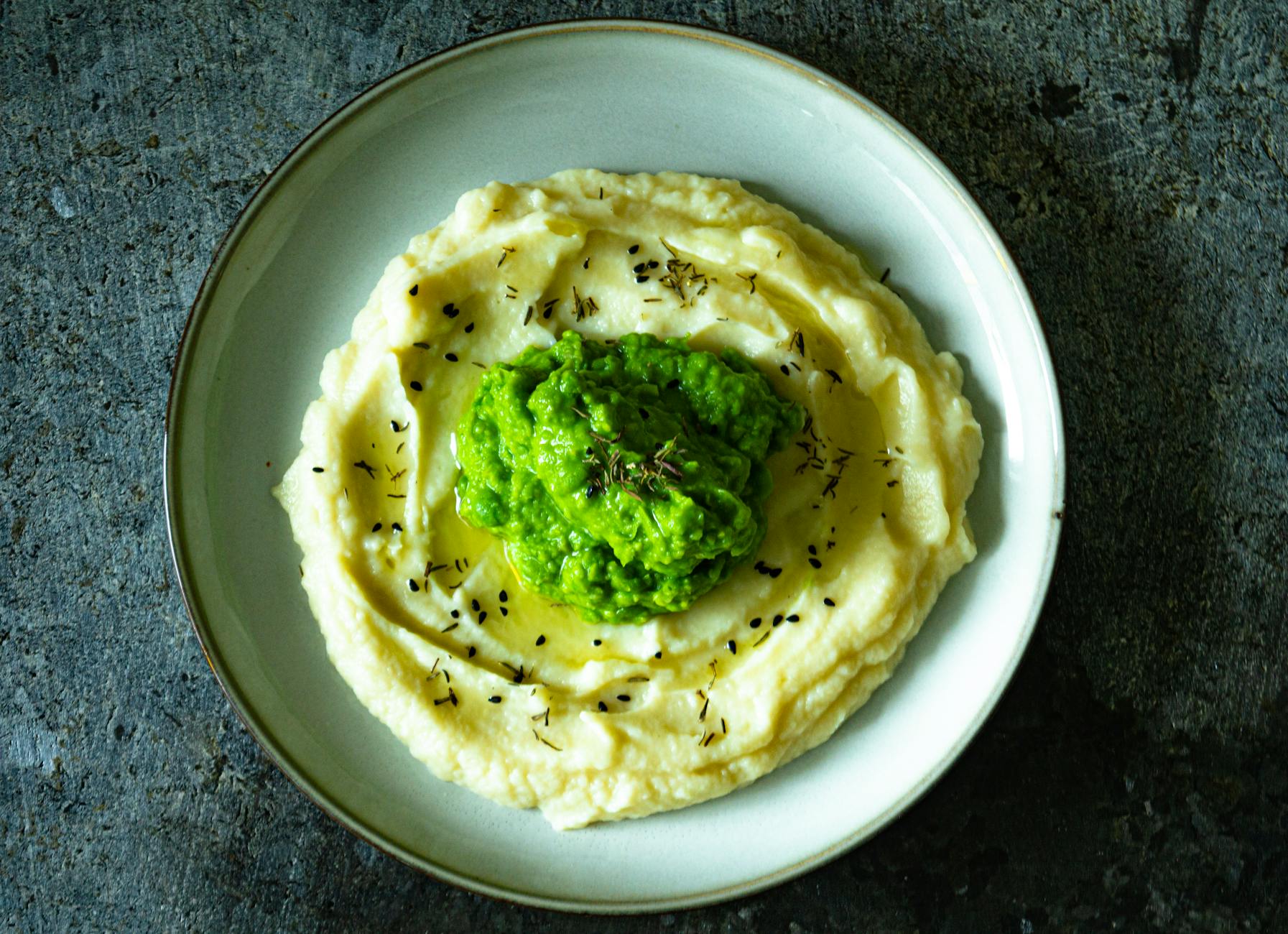
The Ultimate Guide to Perfectly Creamy Mashed Potatoes
Ingredients
- 3 lbs (about 6-8 medium) Russet or Yukon Gold potatoes, peeled and cubed
- 1.5 tablespoons kosher salt, plus more to taste
- 1/2 cup (1 stick) unsalted butter, cut into pieces
- 1/2 cup whole milk
- 1/2 cup heavy cream
- 1/4 teaspoon freshly ground black pepper, plus more to taste
- 2 tablespoons chopped fresh chives, for garnish
- Optional: A pinch of freshly grated nutmeg